


Session 2

DNA Discovery Lab

Exploring DNA’s Hidden Shapes

Could the shape of DNA hold clues to new cancer treatments? Step into Pacific’s medicinal chemistry labs to explore unusual, folded DNA structures called G-quadruplexes, which can help control how genes—including many linked to cancer-- work. Prepare DNA samples, test compounds that help hold these structures in place, and use computer models to visualize how the molecules fit together.

Along the way, students learn to use techniques such as UV melting, circular dichroism, and fluorescence experiments to investigate DNA folding, stability, and molecular binding under different conditions. They get to compare interactions with ordinary double-stranded DNA to evaluate selectivity, then analyze their own data and present your findings to peers, faculty, and guests.


Curriculum

Along the way, students use techniques such as UV melting, circular dichroism, and fluorescence spectroscopy to investigate DNA folding, stability, and molecular binding under different conditions. They compare interactions with ordinary double-stranded DNA to evaluate selectivity, analyze their own data, and present their findings to peers, faculty, and guests.
This medicinal chemistry-focused program combines intensive hands-on laboratory work with computational tools. Students explore the chemical biology of DNA and design and carry out experiments to investigate how small molecules stabilize G-quadruplexes. Using advanced techniques such as UV melting, circular dichroism, and fluorescence spectroscopy, students study DNA folding, stability, and molecular binding under different conditions and compare these interactions with ordinary double-stranded DNA to evaluate selectivity.

Computer modeling helps students visualize how small molecules interact with G-quadruplex structures. Throughout the program, students collect and analyze their own data, troubleshoot experiments, and connect their results to the broader process of medicinal chemistry and drug discovery. The program concludes with presentations of their findings to peers, faculty, and guests.

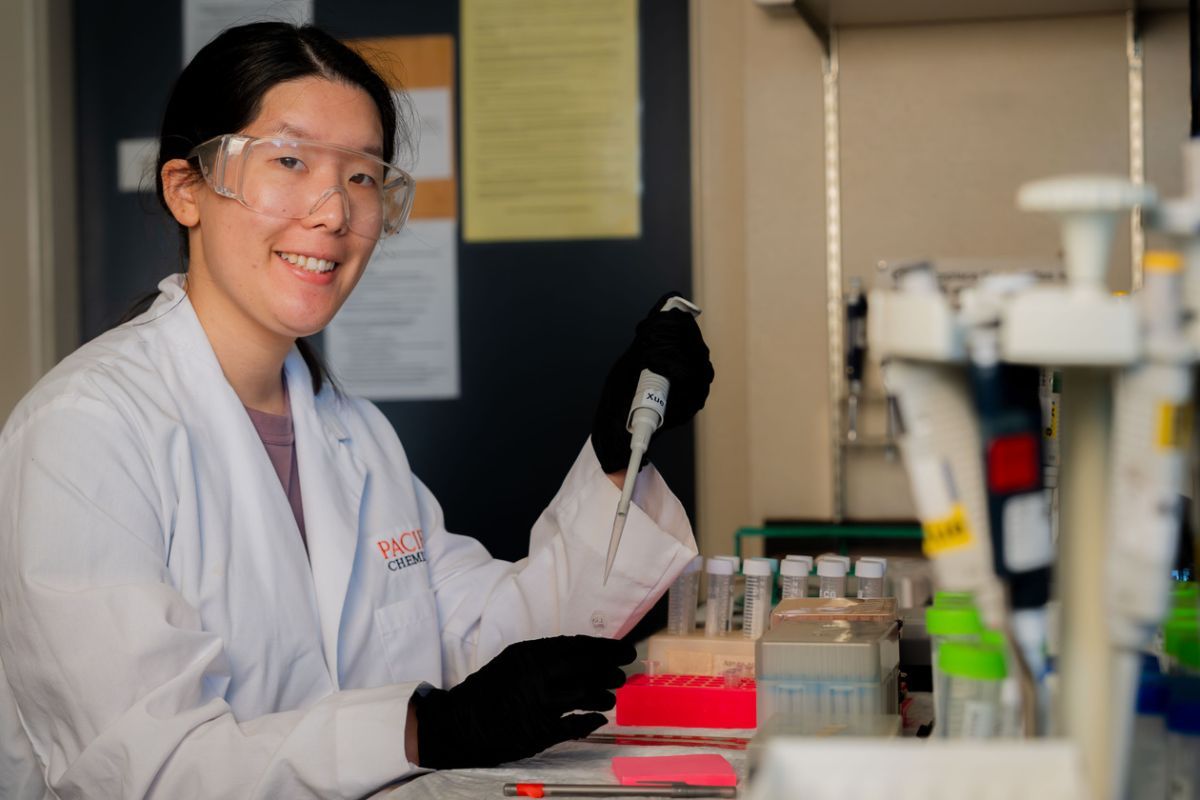
Student with vials
Planned Topics
  • Chemical biology of DNA and an introduction to G-quadruplexes
  • The role of G-quadruplexes in cancer research
  • Preparing DNA samples using an automated DNA synthesizer
  • Using biophysical tools to study G-quadruplex stability and molecular binding
  • Comparing interactions with ordinary double-stranded DNA to evaluate selectivity
  • Using molecular docking to visualize small-molecule interactions
  • Analyzing experimental data and presenting scientific findings
SHSI Logo
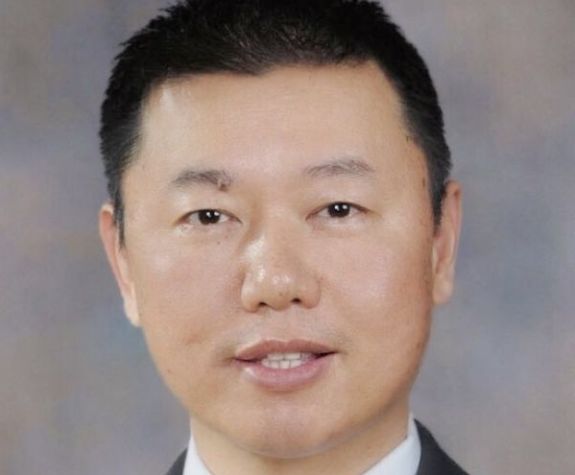
Liang Xue
Faculty Lead
Liang Xue

Professor and Co-chair, Department of Chemistry

BS, Fudan University, 1996
Ph.D., Clemson University, 2004

Dr. Xue is a medicinal chemist whose interdisciplinary research spans organic, biochemical, and bioanalytical chemistry, with a concentration on DNA. In his laboratory, Dr. Xue studies interactions between small molecules and specialized DNA structures such as G-quadruplexes and triplexes using state-of-the-art technology. His research is supported by grants from the National Science Foundation and the National Institutes of Health.