

Breadcrumb
'Forgotten foods' take spotlight in new course

Ken Albala
Stroll down the aisle of any modern supermarket and there is an overwhelming abundance of food—a “profusion of brands…from practically every corner of the globe,” according to food historian Ken Albala.
The quantity is deceptive, he says.
“This abundance obscures the fact that the number of species from which we obtain nourishment has been gradually diminishing in the past 10,000 years,” Albala, University of the Pacific’s Tully Knoles Endowed Professor of History, writes in the syllabus for a new history class launching this fall.
The class will explore the surprising history of what he calls “forgotten foods”—foods that have vanished from modern kitchens. The class will explore why some foods have become less popular and why some may deserve a second look.
In early 2027, the audience for this class will expand beyond Pacific. Albala is filming a 30-episode lecture series on the same topic over the summer that will be available next year through The Great Courses—a popular video lecture company. Albala has previously partnered with The Great Courses for three other series: Food: A Cultural Culinary History, Cooking across the Ages and a History of Bourbon.
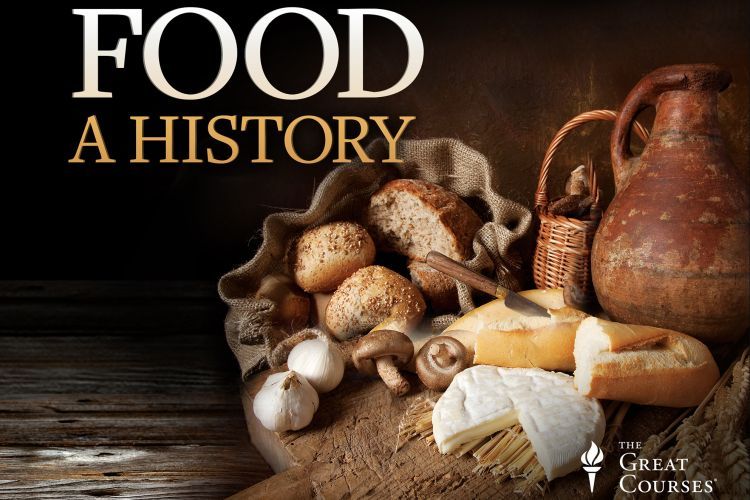
Albala has previously produced three other series for The Great Courses, including "Food: A Cultural Culinary History."
Rooted in global history, the newly launched course at Pacific will help students evaluate their own diets and the diets of people around the world and across time.
Students will be challenged to explore how and why certain foods are regularly consumed while others are not, and to consider the ethical, environmental and aesthetic implications of those choices.
The material spans thousands of years, from foods consumed by early agricultural societies to those that disappeared within a generation or two. Students will explore everything from ancient grains and overlooked plant species to forgotten spices, domesticated animals that are no longer commonly eaten and the traditional foods of Indigenous peoples.
From kitchen to classroom—meet the professor who cooks history at Pacific
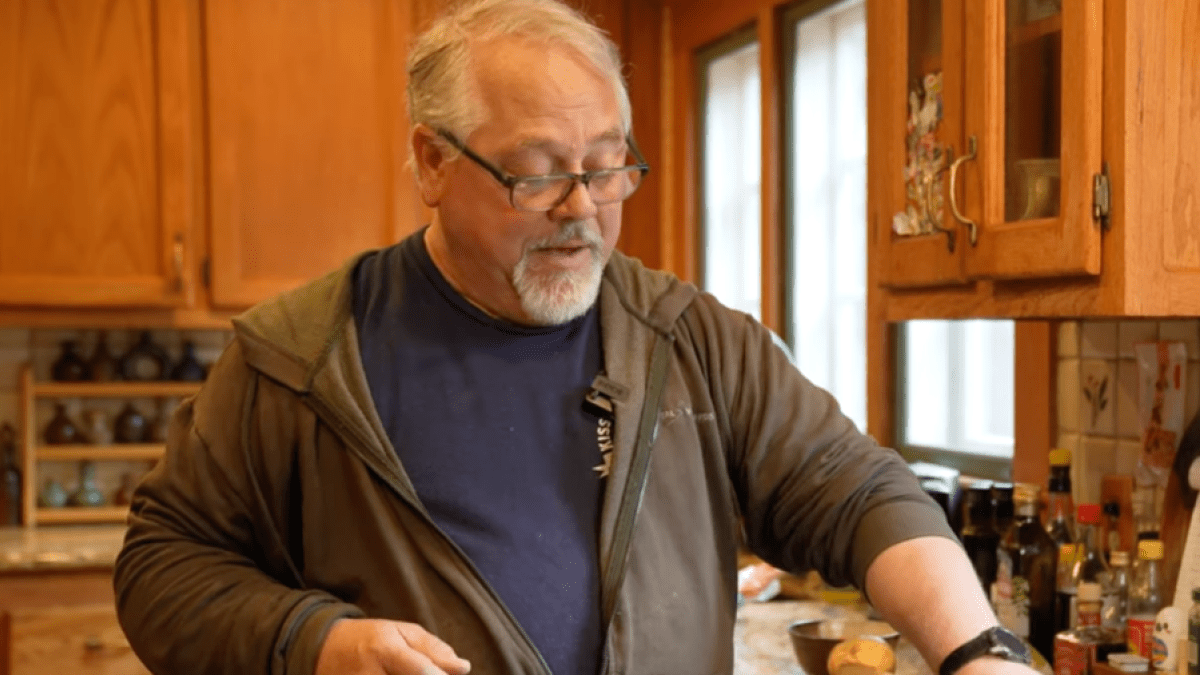
Though Albala admits not all foods are likely to make a comeback.
“Some foods were forgotten because people say ‘ew’ when they think of them—and rightfully so. I cooked opossum for Thanksgiving, and that was pretty gross. It’s one of the very few things I'll ever say that just didn't taste good. It was fatty and greasy.
“That’s included in The Great Courses, but there's a lot of things like vegetables that we think of as weeds. Dandelions—very good example. Or things that were once eaten, like spices that were once very important, and we just don't eat them anymore.”
Albala said he will advocate for restoring diversity and recovering forgotten foods that have been bypassed by the industrial food system.
“The intention is not only to provide a fascinating glimpse of the things our forebears ate that are practically unheard of today, but to inspire you to seek some of these out, explore the world gastronomically and perhaps bring some of these lost foods back to our tables,” Albala said.
Learn more about Pacific’s history program and course offerings.